Cosmetic Thickeners & Gelling Agents | Shoprythm US – shoprythm USA add wishlist add wishlist show wishlist add compare add compare show compare preloader
Enjoy FREE shipping across the USA on every order | Buy Any 3 Sample Products $21.9 | Buy Any 3 Sample Raw Material $19.90

Filters

Showing 1-6 of 6 products
Sort by
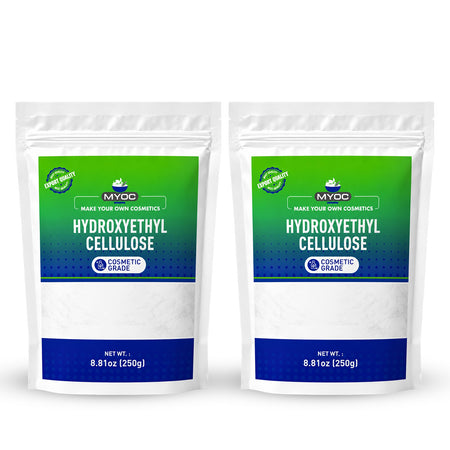
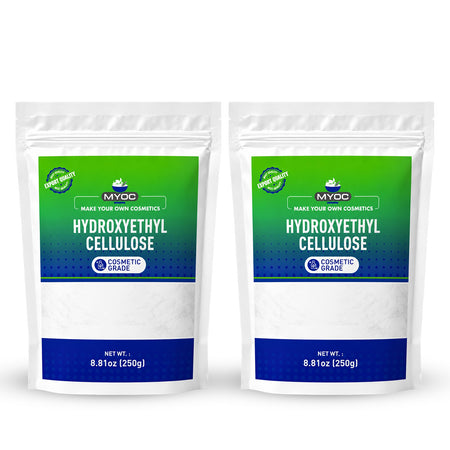
MYOC Hydroxyethyl Cellulose (HEC), Natural Gelling Agent, Rheology Modifier, Thickening Polymer

MYOC Hydroxyethyl Cellulose (HEC), Natural Gelling Agent, Rheology Modifier, Thickening Polymer

$43.68 / 2 × 8.81 oz
Cosmetic Raw MaterialCosmetic Raw Materials
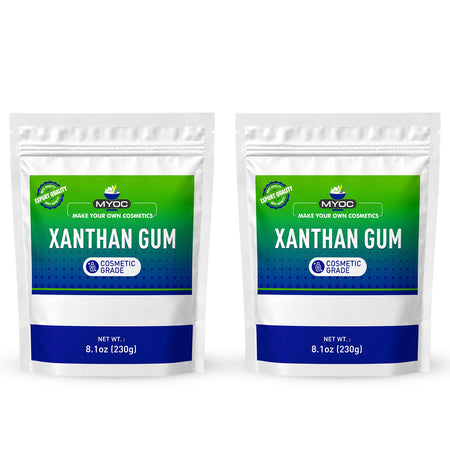
Myoc Xanthan Gum

Myoc Xanthan Gum

$48.43 / 2 × 8.11oz
Cosmetic Raw MaterialThickeners
USP BannerUSP Banner Mobile
Hydroxypropyl Methylcellulose (HPMC)

Hydroxypropyl Methylcellulose (HPMC)

$24.68 / 2 × 3.52oz
Cosmetic Raw MaterialCosmetic Raw Materials
USP BannerUSP Banner Mobile
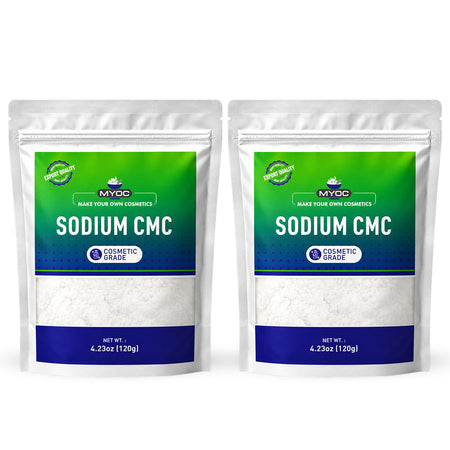
Sodium CMC Powder

Sodium CMC Powder

$16.13 / 2 × 4.2oz
Cosmetic Raw MaterialCosmetic Raw Materials
Guar Gum

Guar Gum

$19.97 / 1.05oz
Cosmetic Raw Materialoffer

How to Choose and Use a Thickener

1

Step 1: Decide the Look and Feel. A crystal-clear gel points you to carbomer 940. A natural or organic claim points you to xanthan or guar gum. A versatile, cost-effective option points you to a cellulose like HEC or HPMC.

2

Step 2: Check If It Needs Neutralizing. Carbomer 940 only thickens once you neutralize it with a base like sodium hydroxide or TEA, and it does not work with cationic ingredients. Xanthan gum, guar gum, and the celluloses thicken without neutralizing.

3

Step 3: Disperse, Then Hydrate. Sprinkle the powder slowly into your water phase while stirring to avoid clumps, or pre-mix it with glycerine first. Give it time to fully hydrate; most gums and celluloses thicken as they sit.

4

Step 4: Adjust the Amount to the Viscosity. Small changes matter. Start low, usually well under 1 to 2 percent, and build up. Too much xanthan can feel stringy, so add gradually until the texture is right, then preserve any water-based formula.

About Thickeners and Gelling Agents

A thickener increases the viscosity of a formula so it feels right and stays put, whether that is a light serum, a rich cream, or a clear gel. There is a useful distinction: a gelling agent builds a network that turns a liquid into a structured gel, while a thickener raises viscosity without always forming a true gel. In practice you choose by the result you want and by how the material behaves. Carbomer 940 makes glassy, non-drip gels but has to be neutralized with a base to work, and it is not compatible with cationic ingredients. Xanthan gum is natural, needs no neutralizing, and holds up across a wide pH range, though it can feel stringy above about 1 percent.

Cellulose derivatives like HEC and HPMC are versatile and cost-effective for both skin and hair products, and gums like guar and sodium CMC add body and help suspend particles in cleansers and shampoos. Every thickener here is INCI-named with usage guidance, made in a WHO-GMP and ISO 9001:2015 certified facility, with a COA on request. Use a thickener alongside our emulsifiers to set a lotion's final body, or with emollients to balance slip and structure.

Good to Know


• Disperse to avoid clumps. Sprinkle the powder slowly into moving water, or pre-wet it in a little glycerine first. Dumping it in at once creates fisheyes that are hard to smooth out.

• Carbomer needs neutralizing. On its own carbomer 940 stays thin and cloudy. It only thickens into a clear gel once you add a base to raise the pH. Xanthan and the celluloses do not need this step.

• Less is more, and preserve it. Start well under 1 percent and build up, since a small amount changes the texture a lot. Any water-based gel needs a broad-spectrum preservative; ask for the COA on your batch.

Frequently Asked Questions

A thickener is an ingredient that raises the viscosity of a formula so it has the right body and texture, from a light serum to a rich cream or a firm gel. Thickeners also help stabilize a product and keep particles suspended. Common ones include carbomer, xanthan gum, and cellulose derivatives like HEC.

A gelling agent builds a network that turns a liquid into a structured gel, like a clear face gel. A thickener raises viscosity and improves texture without always forming a true gel. Many ingredients do both to some degree, and the terms are often used together for this reason.

It depends on your goal. Carbomer 940 gives crystal-clear, non-drip gels but must be neutralized with a base and does not work with cationic ingredients. Xanthan gum is natural, needs no neutralizing, and holds up across a wide pH range, but can feel stringy at higher levels. Choose carbomer for clarity, xanthan for natural claims and ease.

Yes. Carbomer 940 disperses as a thin, cloudy liquid and only thickens into a clear gel once you neutralize it by raising the pH with a base such as sodium hydroxide or triethanolamine. Without that step it will not gel. Xanthan gum and cellulose thickeners do not need neutralizing.

Choose a thickener that matches your look: carbomer for a clear gel, xanthan or a cellulose for a natural or cost-effective option. Disperse the powder slowly into the water phase while stirring, or pre-mix it with glycerine to avoid clumps, then let it fully hydrate. Start below 1 percent and build up.

Natural options include xanthan gum and guar gum, both plant-derived polysaccharides, along with other gums. They thicken without neutralizing and suit formulas that carry a natural or organic claim. Cellulose derivatives like HEC are semi-synthetic and often grouped with them for their plant-cellulose origin.

Usually a small amount. Many gums and celluloses work well under 1 to 2 percent, and a little change makes a big difference to the texture. Start low, let the thickener fully hydrate, then add more if you need it. Adding too much xanthan at once is a common cause of a stringy gel.

Light
Dark