Cosmetic Emulsifiers & Solubilizers | Shoprythm US – shoprythm USA add wishlist add wishlist show wishlist add compare add compare show compare preloader
Enjoy FREE shipping across the USA on every order | Buy Any 3 Sample Products $21.9 | Buy Any 3 Sample Raw Material $19.90

Filters

Showing 1-5 of 5 products
Sort by
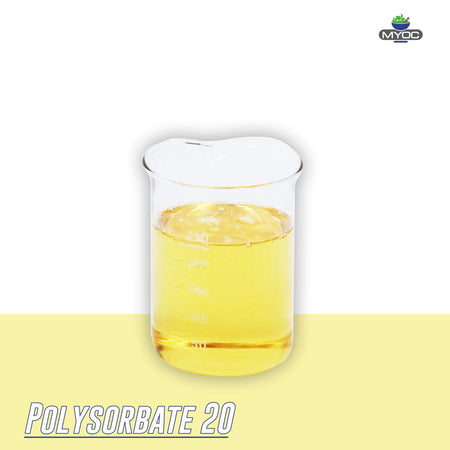
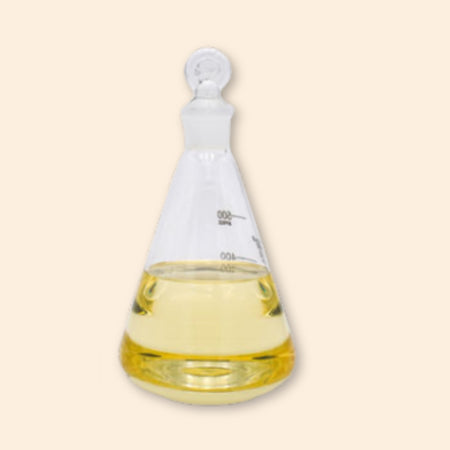
Polysorbate 20

Polysorbate 20

$12.47 / 1.05oz
Cosmetic Raw MaterialEmulsifiers
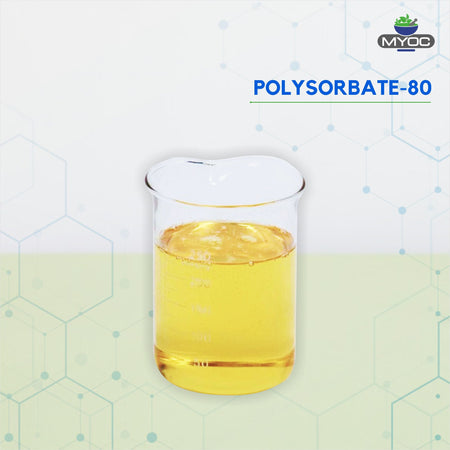
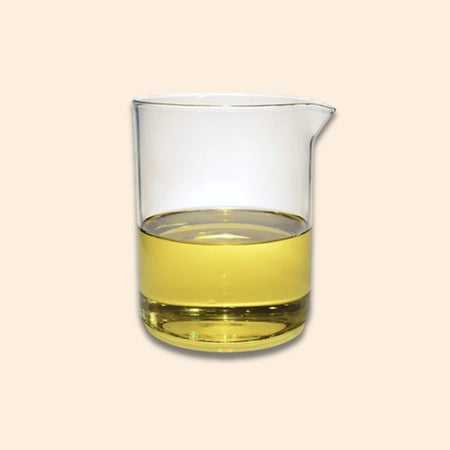
Polysorbate 80

Polysorbate 80

$19.97 / 1.05oz
Cosmetic Raw MaterialEmulsifiers
USP BannerUSP Banner Mobile
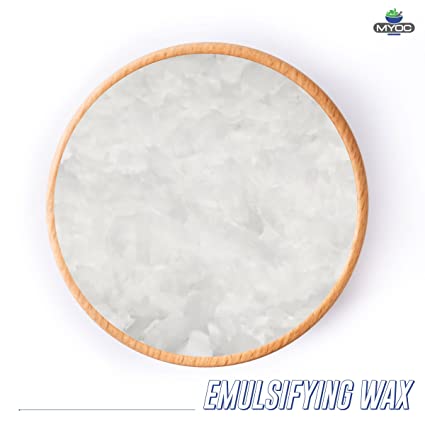
Emulsifying Wax

Emulsifying Wax

$19.97 / 1.05oz
Cosmetic Raw MaterialEmulsifiers
USP BannerUSP Banner Mobile
Polysorbate 60

Polysorbate 60

$12.47 / 1.05oz
Cosmetic Raw MaterialEmulsifiers

How to Choose and Use an Emulsifier

1

Step 1: Decide What You Are Making. A full lotion or cream needs a complete emulsifying wax. To make a clear mist or blend a few drops of fragrance into water, you need a solubilizer like polysorbate 20 or PEG-40 castor oil, not a full emulsifier.

2

Step 2: Match the Emulsifier to the Oil Load. Emulsifying wax is used at about 5 to 10 percent to hold a lotion that is roughly a quarter oils. A lighter, milkier lotion can use a little less. The listing gives the suggested range.

3

Step 3: Heat Both Phases, Then Combine. Melt the emulsifying wax with your oil phase and heat your water phase to the same temperature, around 70°C. Add the water phase to the oil phase and keep it moving.

4

Step 4: Stir Until Cool, Then Preserve. Keep stirring until the emulsion cools completely, which is what stops it separating later. Every water-based emulsion needs a broad-spectrum preservative. Patch test the finished product.

About Emulsifiers

Oil and water do not mix on their own. An emulsifier is the ingredient that makes them stay mixed, so a lotion or cream stays smooth instead of splitting into layers. Each emulsifier molecule has a water-loving end and an oil-loving end; it wraps around the oil droplets and holds them evenly through the water, which is what gives an emulsion its creamy, uniform texture. A complete emulsifying wax, such as the cetearyl alcohol and polysorbate 60 blend, does this job for a full lotion or cream.

A solubilizer is a close cousin with a narrower job: it disperses a small amount of oil, like a fragrance or essential oil, into a mostly water product to keep it clear rather than cloudy. That is what polysorbate 20 and PEG-40 hydrogenated castor oil are for. Emulsifiers are often described by their HLB value, a scale that shows whether they suit oil-in-water or water-in-oil systems. Every emulsifier here is INCI-named with a suggested use level, made in a WHO-GMP and ISO 9001:2015 certified facility with a COA on request.

Good to Know


• An emulsifier is not a solubilizer. Use a complete emulsifying wax for lotions and creams; use polysorbate 20 or PEG-40 castor oil to disperse a little fragrance or oil into a clear, water-based product.

• Keep stirring until cool. Most failed lotions separate because mixing stopped too early. Hold both phases near the same temperature, combine, and stir right through the cool-down.

• Preserve every water-based emulsion. A lotion or cream contains water and will grow mold and bacteria without a broad-spectrum preservative. Ask for the COA to confirm your batch.

Frequently Asked Questions

An emulsifier is an ingredient that lets oil and water stay mixed instead of separating. Each molecule has a water-loving end and an oil-loving end, so it surrounds the oil droplets and holds them evenly through the water. This is what gives a lotion or cream its smooth, uniform texture.

A common starting point is about 5 to 10 percent emulsifying wax for a lotion that is roughly 75 percent water and 25 percent oils. A lighter, runnier lotion can use a little less, around 3 to 6 percent. Follow the suggested range on the listing and adjust to the texture you want.

Both are solubilizers that disperse oil into water, but they suit different oils. Polysorbate 20 is lighter and works well with lightweight fragrance and essential oils in sprays and mists. Polysorbate 80 is better suited to heavier oils. The right one depends on the oil you are trying to blend in.

The two most common reasons are too little emulsifier for the amount of oil, and stopping mixing before the emulsion cooled. Make sure your oil and water phases are near the same temperature when you combine them, use enough emulsifying wax, and keep stirring until the mixture is completely cool.

A solubilizer is a type of emulsifier used to disperse a small amount of oil, such as a fragrance or essential oil, into a mostly water product while keeping it clear. It is what you use for a room spray, a face mist, or a micellar water, rather than a full emulsifying wax.

HLB, or Hydrophilic-Lipophilic Balance, is a scale from about 1 to 20 that shows how much an emulsifier favors water versus oil. A higher HLB suits oil-in-water systems like most lotions; a lower HLB suits water-in-oil systems. It helps you pick or pair emulsifiers for a stable formula.

Emulsifying wax is for water-containing lotions and creams. A traditional anhydrous body butter made only of oils and butters has no water, so it needs no emulsifier. If you want a whipped lotion body butter that contains water, then yes, you use an emulsifying wax and preserve it.

Light
Dark