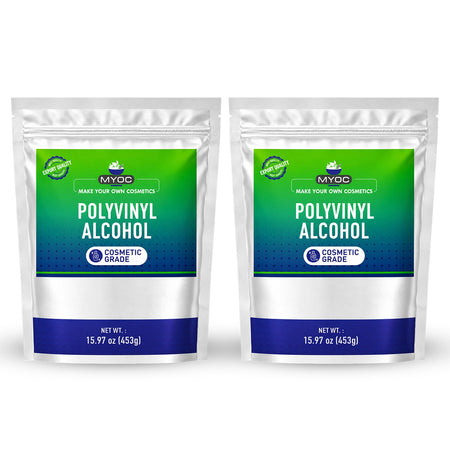
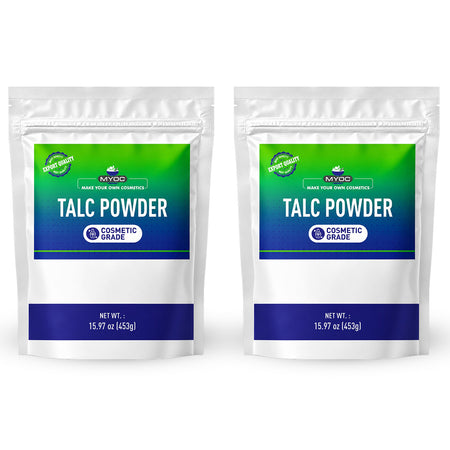
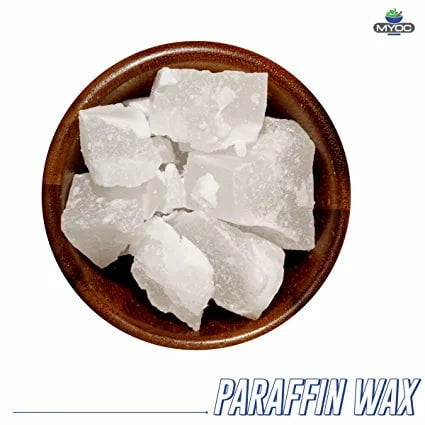
Step 1: Decide the Effect You Want. Whiteness and coverage point to titanium dioxide. Slip and oil absorption in a powder point to talc. A matte, detoxifying mask points to red clay. A firm base for a balm or candle points to paraffin. A peel-off film points to PVA.
2
Step 2: Match It to the Product. A mineral or clay goes into a powder or the water phase of a mask. A wax goes into the heated oil phase of a balm. PVA is dissolved in water to build a gel that dries into a peelable film.
3
Step 3: Add at the Right Level. These ingredients change texture quickly, so start conservative. PVA is often used around 5 to 20 percent in a peel-off mask; pigments and fillers vary widely. Follow the suggested level on each listing and adjust.
4
Step 4: Disperse Well and Preserve. Blend powders in evenly to avoid grit or streaks. Any water-based product, including a peel-off mask, needs a broad-spectrum preservative. Patch test the finished formula.
About Texturizers and Fillers
Texturizers and fillers are the ingredients that decide how a product looks and feels rather than what it treats. Titanium dioxide is a bright white mineral used as an opacifier and pigment: it scatters light, which adds whiteness and coverage to makeup, masks, and creams. Talc adds slip and absorbs oil, which is why it appears in pressed and loose powders. Red clay absorbs excess oil and gives face masks their smooth, mattifying body. Paraffin wax is a firm wax base for balms, salves, and candles. Polyvinyl alcohol, or PVA, is the film-former behind peel-off masks: dissolved in water it forms a gel that dries into a thin, flexible film you can peel away.
Because each of these changes texture fast, the skill is in the amount and the mixing. Add a little, disperse it evenly, and build up to the finish you want. Every material here is INCI-named with a suggested use level, made in a WHO-GMP and ISO 9001:2015 certified facility with a COA on request.
Good to Know
• Disperse powders thoroughly. Titanium dioxide, talc, and clay can clump or streak if added too fast. Sift them in and blend well, or pre-mix into a little oil or water first.
• A little changes a lot. Fillers and opacifiers shift texture and color quickly. Start with a small amount, judge the finish, and add more only if you need it.
• Preserve water-based masks. A peel-off or clay mask that contains water needs a broad-spectrum preservative. Ask for the COA to confirm the identity of your batch.
Frequently Asked Questions
A texturizer or filler is an ingredient that controls how a product looks and feels rather than treating skin. It adds body, opacity, slip, or a matte finish. Common examples include titanium dioxide for whiteness and coverage, talc for slip in powders, clay for mattifying masks, and waxes for firmness.
Titanium dioxide is a white mineral used as an opacifier and pigment. It scatters light, which adds whiteness, brightness, and coverage, so it helps makeup conceal and gives powders and creams a fuller, more opaque finish. It is one of the most widely used whitening and covering ingredients in cosmetics
Talc is a soft mineral used as a filler that adds slip and absorbs oil. It gives pressed and loose powders their smooth, silky feel and helps them glide and stay matte. It is valued for the soft texture it brings to face powders, body powders, and pressed makeup.
Polyvinyl alcohol is dissolved in water to form a clear gel, often at around 5 to 20 percent, sometimes with humectants like glycerin to control drying. Applied to the skin, the gel dries into a thin, flexible film that you peel off. Add your actives, preserve the water-based formula, and test the peel and dry time.
Clay, such as red clay, absorbs excess oil and gives a face mask its smooth, spreadable body and matte finish. Different clays vary in strength, with some more absorbent and better for oily skin and others gentler for normal or dry skin. Clay is the backbone of most rinse-off and peel-off masks.
An opacifier is an ingredient that makes a clear or translucent product look solid and opaque. Titanium dioxide is the most effective and common one; it scatters light to add whiteness and coverage. Formulators use opacifiers to give creams, lotions, and makeup a fuller, less see-through appearance.
Yes. Paraffin wax is a firm, stable wax used as a base in balms, salves, and some rich treatments, and it is the classic wax in candles. In skincare it adds structure and an occlusive layer that helps hold moisture. For plant-based alternatives, natural waxes like beeswax or candelilla can be used instead.