Sodium Hydroxide Lye & Additives for Soap | Shoprythm – shoprythm USA add wishlist add wishlist show wishlist add compare add compare show compare preloader
Enjoy FREE shipping across the USA on every order | Buy Any 3 Sample Products $21.9 | Buy Any 3 Sample Raw Material $19.90

Filters

Showing 1-5 of 5 products
Sort by
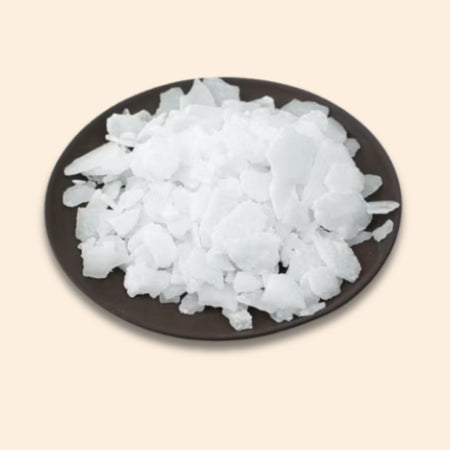
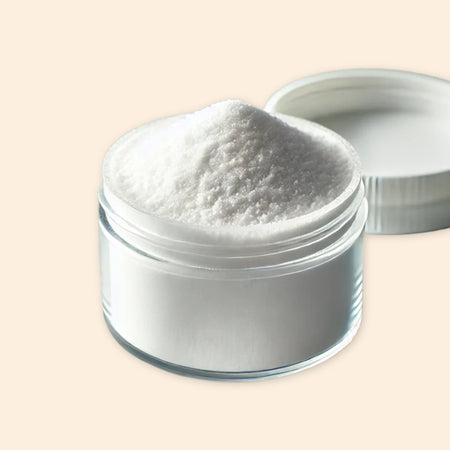
Sodium hydroxide (Flakes)

Sodium hydroxide (Flakes)

$19.82 / 1.05oz
Cosmetic Raw MaterialCosmetic Raw Materials
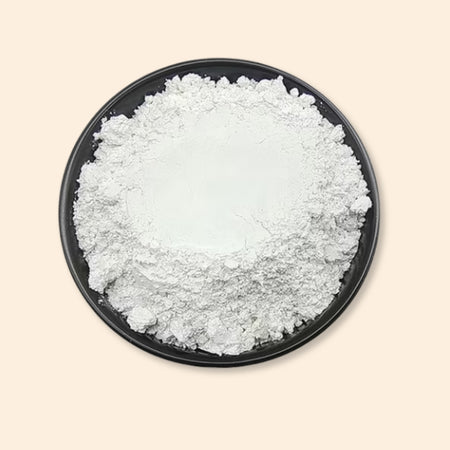
Borax Powder

Borax Powder

$19.82 / 1.05oz
Cosmetic Raw Materialoffer
USP BannerUSP Banner Mobile
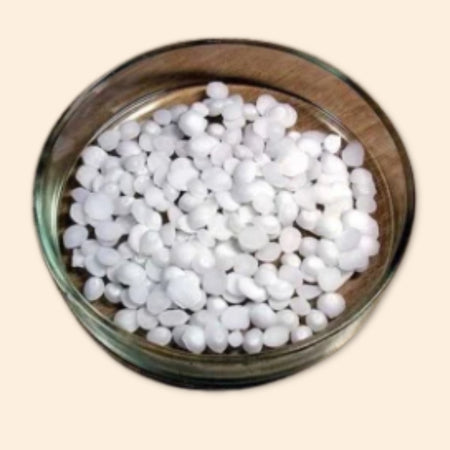
Sodium hydroxide ( PALLETS )

Sodium hydroxide ( PALLETS )

$19.82 / 1.05oz
Cosmetic Raw MaterialCosmetic Raw Materials
USP BannerUSP Banner Mobile

How to Use Lye Safely for Soap Making

1

Step 1: Gear Up First. Before you open the container, put on goggles, gloves, long sleeves, and closed shoes, and work in a ventilated space. Lye is caustic and can burn skin and eyes, so protection comes before anything else.

2

Step 2: Always Add Lye to Water, Never Water to Lye. Use cold distilled water in a heat-safe stainless steel or sturdy plastic container, never glass or aluminum. Slowly add the lye to the water while stirring. The mix heats fast and can reach near boiling, so add gradually and stand back from the fumes.

3

Step 3: Combine With Oils to Make Soap. Once the lye solution and your oils are ready, combine them. This starts saponification, the reaction that turns lye and oil into soap. Over the next days the lye is fully used up, and the finished, cured bar contains no free lye.

4

Step 4: Handle Spills and Store Safely. For skin contact, rinse with plenty of water for at least 15 minutes, do not use vinegar, and seek medical help if needed. Store lye sealed, labeled, dry, and out of reach of children and pets.

About Additives and Lyes

Lye is what makes soap, soap. Sodium hydroxide, sold as flakes or pellets and also called caustic soda, reacts with oils in a process called saponification to turn them into a solid cleansing bar. There is no true cold-process or hot-process soap without it, and by the time a bar has cured, the lye has been fully converted and none remains free in the finished soap. Flakes and pellets are the same chemical in two forms; both dissolve into a lye solution the same way. The other additives here do different jobs: borax is a mineral used as a mild cleaning booster, emulsion helper, and pH adjuster, and boric acid is a mild antiseptic and pH-balancing agent.

Lye deserves respect, not fear. It is caustic and must be handled with protection and care, but millions of soapmakers use it safely by following a few firm rules: gear up, add lye to water and never the reverse, avoid glass and aluminum, and keep it away from children. Every product here is documented and made in a WHO-GMP and ISO 9001:2015 certified facility with a COA on request. Pair the lye with oils from our carrier oils collection and cleansing agents from our surfactants and soap base collections.

Good to Know


• Lye to water, never water to lye. Adding water to dry lye can cause a violent, eruptive reaction. Always add the lye slowly into cold water, stirring as you go.

• No glass, no aluminum. The heat can crack glass, and lye reacts with aluminum to release hydrogen gas. Use heat-safe stainless steel or a sturdy, dedicated plastic container.

• Cured soap has no free lye. Handling raw lye needs full protection, but once soap has fully saponified and cured, the lye is used up and the bar is safe to use on skin.

Frequently Asked Questions

Lye, or sodium hydroxide, is the ingredient that turns oils into soap through a reaction called saponification. Without it you cannot make true cold-process or hot-process soap. You mix the lye with water, combine that with your oils, and the reaction produces a solid cleansing bar as it cures.

Raw sodium hydroxide is caustic and can burn skin and eyes, so it must be handled with goggles, gloves, covered skin, and good ventilation. Handled correctly it is used safely by soapmakers every day. Importantly, once soap has fully saponified and cured, the lye is completely used up and the finished bar is safe on skin.

Always add the lye to the water, never water to the lye. Adding water to dry lye can trigger a violent, eruptive reaction. Use cold distilled water in a heat-safe stainless steel or sturdy plastic container, add the lye slowly while stirring, and avoid breathing the fumes.

Flakes and pellets are the same chemical, sodium hydroxide, in two physical forms. Both dissolve into a lye solution and work the same way for soap making and pH adjustment. The choice usually comes down to handling preference and how easily each dissolves and measures for you.

Borax is a mineral additive used as a mild cleaning booster, a natural emulsion helper in some traditional creams, and a pH adjuster. It raises the pH of a formula and can help stabilize certain emulsions. Follow the use guidance on the listing, since the right amount depends on what you are making.

Boric acid is a mild antiseptic and pH-balancing agent used in some cosmetic and cleaning formulations. In cosmetics it appears at low levels as a pH adjuster and mild preservative booster. Because use levels and regional rules vary, follow the listing and any applicable local regulations for your finished product.

Yes. During saponification the lye reacts with the oils and is fully consumed, so a properly made and cured bar of soap contains no free lye. The caution applies to handling the raw sodium hydroxide while you make the soap, not to the finished, cured product.

Light
Dark