Broad-Spectrum Cosmetic Preservatives | Shoprythm US – shoprythm USA add wishlist add wishlist show wishlist add compare add compare show compare preloader
Enjoy FREE shipping across the USA on every order | Buy Any 3 Sample Products $21.9 | Buy Any 3 Sample Raw Material $19.90

Filters

Showing 1-7 of 7 products
Sort by
Phenoxyethanol Liquid

Phenoxyethanol Liquid

$18.98 / 2 × 4.05oz
Cosmetic Raw MaterialPreservatives & Stabilizers
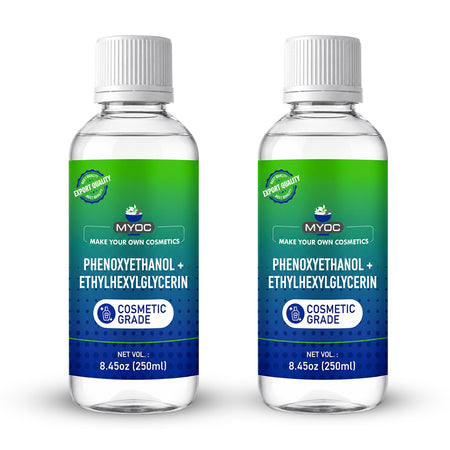
Phenoxyethanol & Ethylhexylglycerin

Phenoxyethanol & Ethylhexylglycerin

$64.58 / 2 × 8.45oz
Cosmetic raw materialoffer
USP BannerUSP Banner Mobile
Myoc Optiphen Plus

Myoc Optiphen Plus

$21.96 / 1.05oz
Cosmetic Raw Material
DMDM Hydantoin

DMDM Hydantoin

$19.97 / 1.05oz
Cosmetic Raw MaterialPreservatives & Stabilizers
Germaben II

Germaben II

$22.27 / 1.05oz
Cosmetic Raw Materialoffer

How to Preserve a Formula the Right Way

1

Step 1: Decide If You Need One. If your product contains water, or you dip wet fingers into it, you need a broad-spectrum preservative. Anhydrous products like oil-only balms do not, though they still benefit from an antioxidant.

2

Step 2: Pick a Broad-Spectrum Preservative. Choose one that protects against bacteria, mold, and yeast across your formula's pH. Phenoxyethanol-based options and ready blends like Optiphen Plus and Germaben II are common, reliable choices. Check the approved pH range on the listing.

3

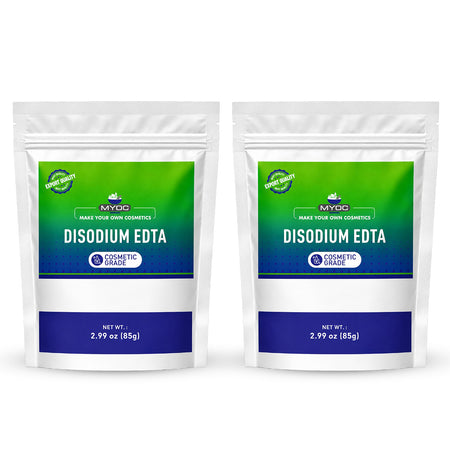
Step 3: Add a Chelator to Boost It. Disodium EDTA is not a preservative on its own, but it makes your preservative work harder by tying up the metal ions that microbes and hard water use. A small amount can lower the preservative level you need.

4

Step 4: Use the Right Amount and Test. Most preservatives work at well under 1 percent. More is not better and can irritate skin. Add at the level and temperature the listing states, then confirm your finished product holds up over its shelf life.

About Preservatives and Stabilizers

Any cosmetic that contains water will grow bacteria, mold, and yeast within days unless it is preserved. A broad-spectrum preservative is one that protects against all three, which is what "broad-spectrum" means, and it is non-negotiable for creams, lotions, gels, toners, and anything else with a water phase. Phenoxyethanol is a globally approved preservative used at roughly 0.5 to 1 percent, and it is often sold blended with a booster like ethylhexylglycerin, or as part of a ready system such as Optiphen Plus or Germaben II so you get complete coverage from one addition.

A chelator is the useful partner to a preservative. Disodium EDTA grabs onto the metal ions in hard water and plant extracts that microbes feed on and that can destabilize a formula, which both boosts your preservative and improves stability. It is typically used at around 0.1 to 0.2 percent in the water phase. Every product here is INCI-named with a suggested use level and approved pH range, made in a WHO-GMP and ISO 9001:2015 certified facility with a COA on request.

Good to Know


• Water means preservative, always. If a formula contains water in any form, including a hydrosol or aloe, it needs a broad-spectrum preservative. This is the single most important rule in formulating.

• A chelator is not a preservative. Disodium EDTA boosts your preservative and stabilizes the formula, but it does not kill microbes on its own. Use it with a preservative, not instead of one.

• Match the pH. Every preservative has a pH range where it works. Check your finished formula's pH against the listing, since a preservative used outside its range may not protect the product.

Frequently Asked Questions

A broad-spectrum preservative protects a formula against all three main types of microbe: bacteria, mold, and yeast. Many single ingredients cover only some of these, which is why formulators use broad-spectrum options or ready-made blends. Any water-containing cosmetic needs broad-spectrum protection to stay safe over its shelf life.

If it contains water, yes. Water-based creams, lotions, gels, toners, and anything you dip wet fingers into will grow bacteria, mold, and yeast within days without a broad-spectrum preservative. Anhydrous products made only of oils, butters, and waxes do not need a water-phase preservative, though an antioxidant helps them last.

Both are widely used, and the right one depends on your formula. Phenoxyethanol is a globally approved, paraben-free preservative often paired with a booster for full coverage. Germall Plus is a formaldehyde-releasing preservative effective across many formulas. Check each product's approved pH range and attributes, and pick the one that fits your product and label preferences.

Disodium EDTA is a chelator. It binds the metal ions found in hard water and plant extracts, which would otherwise feed microbes and destabilize a product. This boosts your preservative's performance and improves stability. It is used at a low level, around 0.1 to 0.2 percent, in the water phase, and it works alongside a preservative rather than replacing it.

Most cosmetic preservatives work at well under 1 percent, and each has its own recommended level and pH range on the listing. Phenoxyethanol, for example, is commonly used at 0.5 to 1 percent. More is not better, since overdosing wastes product and can irritate skin. Add at the stated level and test your finished formula.

Several are, including phenoxyethanol and phenoxyethanol-based blends and Optiphen options. If a paraben-free label is important to you, check each product's attributes, since the range includes both paraben-free options and other broad-spectrum systems. The listing states what each one contains.

It depends on the preservative. Some are heat-stable and can be added to the water phase, while many are added during the cool-down phase, once the mixture has dropped below a stated temperature, to avoid degrading them. Follow the temperature guidance on the listing, and add the chelator to the heated water phase

Light
Dark