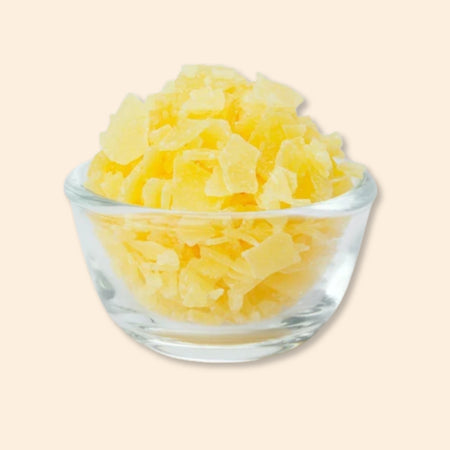
Step 1: Pick a Primary Surfactant. This does the main cleansing. Decyl glucoside is a gentle, sulfate-free choice, while SLES gives a stronger, richer foam. Most washes are built on one primary surfactant at the core.
2
Step 2: Add a Secondary Surfactant. Cocamidopropyl betaine is an amphoteric co-surfactant that boosts foam, softens the feel of a harsher primary, and helps thicken the formula. Pairing surfactants usually cleanses better and irritates less than one alone.
3
Step 3: Set the Total Percentage. A face wash typically runs a lower total surfactant level than a shampoo or body wash. Start modest, test the foam and rinse, and adjust. Every listing gives a suggested use range.
4
Step 4: Balance pH and Preserve. Bring the finished wash to a skin-friendly pH, and preserve any water-based formula with a broad-spectrum preservative. Patch test before regular use.
About Surfactants
A surfactant is the ingredient that actually cleanses. Each molecule has a water-loving head and an oil-loving tail, so it grabs onto oil and dirt with one end and onto water with the other, wraps them into tiny droplets called micelles, and rinses them away. That is what turns water into something that can lift grease off skin and hair. Surfactants also create the foam most people associate with "clean," though foam and cleaning power are not the same thing.
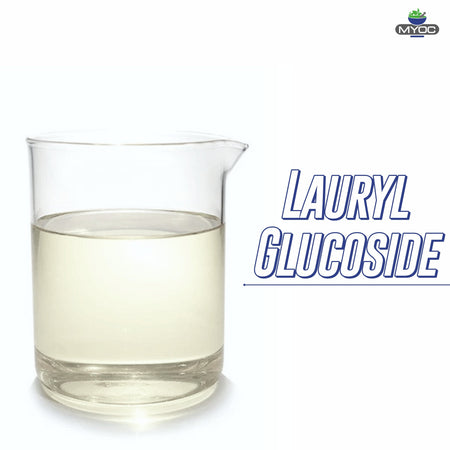
They are grouped by their electrical charge. Anionic surfactants like SLES foam strongly and clean hard. Amphoteric surfactants like cocamidopropyl betaine are milder and usually play a supporting role. Non-ionic glucosides such as decyl, coco, and lauryl glucoside are gentle, sulfate-free, and made from sugar and coconut, which is why they suit sensitive skin and natural formulas. Good cleansers usually blend two or three. Every surfactant here is INCI-named with its charge type and a suggested use level, made in a WHO-GMP and ISO 9001:2015 certified facility with a COA on request. Pair them with a thickener to build viscosity, or with our lyes and additives and soap base for cleansing bars.
Good to Know
Blend, do not rely on one. Pairing a primary surfactant with a mild secondary like cocamidopropyl betaine cleanses better and feels gentler than a single strong surfactant on its own.
Sulfate-free is not automatically gentler for everyone, but glucosides are a genuinely mild, plant-derived option. Match the surfactant to the skin, not to a label.
Set the pH and preserve. A wash that is too alkaline can leave skin tight. Adjust to a skin-friendly pH, and add a broad-spectrum preservative to any water-based cleanser.
Frequently Asked Questions
A surfactant is a cleansing agent that lets water lift away oil and dirt. Each molecule has a water-loving end and an oil-loving end, so it surrounds grease into tiny droplets called micelles that rinse off. Surfactants are the base of every face wash, shampoo, and body wash, and they create foam.
The primary surfactant does most of the cleansing and is used at the highest level, such as SLES or decyl glucoside. A secondary surfactant, like cocamidopropyl betaine, supports it by boosting foam, softening the feel, and reducing irritation. Most well-made cleansers combine both.
Yes. Decyl glucoside, coco glucoside, and lauryl glucoside are non-ionic, sulfate-free surfactants made from sugar and coconut. They cleanse gently without the sulfates found in SLS and SLES, which is why they are popular in natural, organic, and sensitive-skin formulas.
Both are mild, but they do different jobs. Decyl glucoside is a gentle primary cleanser that foams well for a non-ionic surfactant. Cocamidopropyl betaine is an amphoteric secondary surfactant used to boost foam and reduce the harshness of a stronger primary. They are often used together rather than chosen one over the other.
SLES (sodium laureth sulfate) is a strong, effective foaming cleanser, and for many people it is fine. It can be irritating with heavy or long-term use, especially on sensitive skin, so it is often paired with a milder co-surfactant or swapped for glucosides in gentle formulas. The right choice depends on the product and the skin.
It depends on the product. A gentle face wash uses a lower total surfactant level than a shampoo or body wash, which need more foam and cleaning power. Start with the suggested range on each listing, test how it foams and rinses, and adjust. Blending two surfactants usually gives a better result than pushing one higher.
An amino acid surfactant, like sodium lauroyl sarcosinate, is derived from amino acids and known for a soft, creamy foam and a gentle feel on skin. It cleanses effectively while being milder than traditional sulfates, which makes it a good choice for facial cleansers and sensitive-skin washes.