Cosmetic Antioxidants for Oils & Formulas | Shoprythm – shoprythm USA add wishlist add wishlist show wishlist add compare add compare show compare preloader
Enjoy FREE shipping across the USA on every order | Buy Any 3 Sample Products $21.9 | Buy Any 3 Sample Raw Material $19.90

Filters

Showing 1-3 of 3 products
Sort by
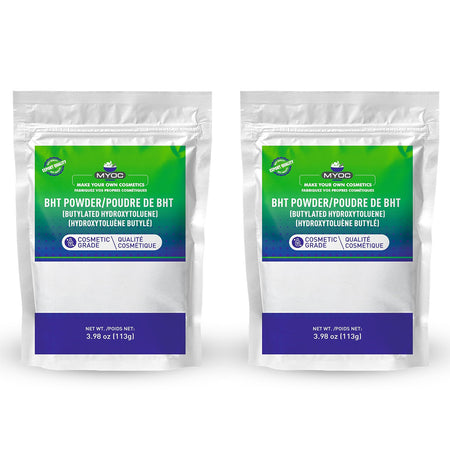
BHT Powder

BHT Powder

$19.93 / 2 × 3.98oz
Cosmetic Raw MaterialEmollients
USP BannerUSP Banner Mobile

How to Use an Antioxidant in Your Formula

1

Step 1: Know What It Does. An antioxidant slows the oxidation that makes oils go rancid and dull. It protects the oil, not the water, so it is what you add to balms, body oils, and the oil phase of a cream, not what keeps a water-based product free of microbes.

2

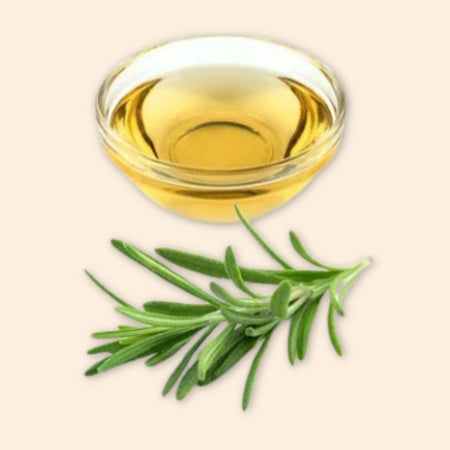
Step 2: Pick Natural or Synthetic. Rosemary antioxidant is plant-derived and, gram for gram, is a strong natural option. BHT is a synthetic antioxidant used widely in oil-based products to protect against rancidity and color change. Choose by your formula and your claims.

3

Step 3: Add a Small Dose to the Oil Phase. Antioxidants work at very low levels, often a fraction of a percent up to about 1 percent. Add them to the oils, ideally early, so they protect the fats from the start. Follow the level on the listing.

4

Step 4: Still Preserve Water-Based Products. An antioxidant is not a preservative. Any formula with water also needs a broad-spectrum preservative to stop mold, yeast, and bacteria. Use both where the product needs both.

About Antioxidants

An antioxidant protects a formula from oxygen. Oils and fats slowly react with air and go rancid, developing a sharp, stale smell and losing quality, and antioxidants slow that reaction by neutralizing the free radicals that drive it. Added at a low level to a carrier oil, a balm, or the oil phase of a cream, an antioxidant extends how long the product stays fresh and helps protect its color and scent along the way. Rosemary antioxidant is a plant-derived option that is very effective for its dose, while BHT is a synthetic antioxidant used across many oil-based products.

The most important thing to understand is what an antioxidant is not. It is not a preservative. A preservative stops microbes, bacteria, mold, and yeast, growing in water. An antioxidant stops oils oxidizing. A water-based cream needs both: an antioxidant for its oils and a broad-spectrum preservative for its water. Every antioxidant here is INCI-named with a suggested use level, made in a WHO-GMP and ISO 9001:2015 certified facility with a COA on request.

Good to Know


• A little goes a long way. Antioxidants work at very low levels, often well under 1 percent. Adding more does not extend shelf life further and can affect color or scent.

• Add it early, to the oils. Put the antioxidant into the oil phase from the start so it protects the fats before oxidation begins, not after the product already smells off.

• It is not a preservative. Do not rely on an antioxidant to keep a water-based product safe. Any formula with water needs a broad-spectrum preservative as well.

Frequently Asked Questions

In a formula, antioxidants slow the oxidation that makes oils and fats go rancid, which extends a product's shelf life and helps protect its color and scent. They work by neutralizing free radicals, the reactive molecules that drive oxidation. They are added to oil-based products and the oil phase of creams.

They slow it down, which is exactly why formulators use them. Adding a small amount of an antioxidant like rosemary antioxidant or BHT to a carrier oil, balm, or butter extends how long it stays fresh before it develops that sharp, stale rancid smell. They delay oxidation rather than stopping it forever.

They protect against different things. An antioxidant protects oils from oxidation and rancidity. A preservative protects water-based products from microbes like bacteria, mold, and yeast. A water-containing cream needs both: an antioxidant for the oils and a broad-spectrum preservative for the water. One cannot replace the other.

A very small amount. Most antioxidants work at a fraction of a percent up to around 1 percent. Rosemary antioxidant, for example, is often used between 0.2 and 1 percent. Follow the level on the listing, and do not overdose it, since more will not extend shelf life further.

Rosemary antioxidant, extracted from rosemary, is one of the most effective natural options and is often stronger than vitamin E for the same dose at slowing oil oxidation. Vitamin E (tocopherol) is another common natural antioxidant. Both are used to protect oil-based products from going rancid.

BHT is a synthetic antioxidant used widely and at very low levels in oil-based cosmetics to prevent rancidity and color change. It is used because it is effective at protecting fats. If you prefer a plant-derived option, rosemary antioxidant is a natural alternative that does a similar job.

Add it to the oil phase, ideally early in the process, so it protects the fats from the moment they are combined. Because antioxidants defend oils rather than water, there is no benefit to adding them to a purely water-based part of the formula. Keep the water phase protected with a preservative instead.

Light
Dark