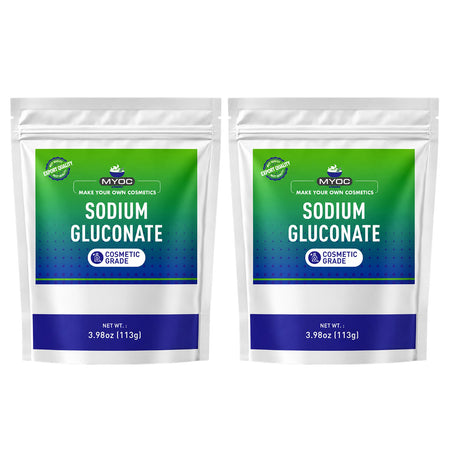
Step 1: Match the Preservative to the Food. Sodium benzoate works best in acidic products like soft drinks and dressings. Sorbic acid and its sorbate salts are broad mould and yeast inhibitors for baked goods, cheese, and more. Sodium gluconate is a stabilizer and sequestrant.
2
Step 2: Mind the pH. Benzoate and sorbate are most effective in acidic foods, below roughly pH 4.5 to 6. If your product is not acidic enough, they work less well, which is why they suit drinks, sauces, and pickles.
3
Step 3: Weigh the Right Amount. Food preservatives are used at small, regulated levels, typically a fraction of a percent. Follow the permitted use level for your food type and market, and weigh accurately.
4
Step 4: Follow Food Regulations. These are food additives with legal limits that vary by country and product. Confirm the approved additive and level for your market before you use them commercially.
About Food Preservatives
Food preservatives protect food and drink from the spoilage caused by bacteria, mould, and yeast, extending shelf life and keeping products safe to sell and consume. Sodium benzoate is one of the most common, especially effective in acidic products like soft drinks, fruit juices, and salad dressings, where it stops microbial growth at a very low level. Sorbic acid and its salts, such as potassium sorbate, are broad-spectrum inhibitors of mould and yeast, widely used in baked goods, cheese, wine, and many packaged foods. Sodium gluconate plays a different role as a sequestrant and stabilizer that helps control minerals and support consistency.
The two rules that matter are pH and dose. Benzoate and sorbate work best in acidic foods, and all food preservatives are used at small, legally regulated levels that differ by country and food type. These are distinct from cosmetic preservatives, which are formulated for skin products. Every preservative here is food-grade with a COA on request.
Good to Know
• pH decides effectiveness. Sodium benzoate and sorbates work best in acidic foods and drinks. In a low-acid product they are far less effective, so match the preservative to your food's pH.
• Small, weighed amounts only. Food preservatives are used at a fraction of a percent, with legal limits. Weigh accurately rather than estimating, and never exceed the permitted level for your food and market.
• Food preservative, not cosmetic. These are for food and drink. For preserving a cream, lotion, or other cosmetic, use a cosmetic preservative designed and approved for skin products instead.
Frequently Asked Questions
Food preservatives are additives that protect food and drink from spoilage by bacteria, mould, and yeast, which extends shelf life and keeps products safe. Common ones include sodium benzoate for acidic products and sorbic acid and its sorbate salts for broad mould and yeast control. They are used at small, legally regulated levels.
Sodium benzoate is an anti-microbial preservative that stops the growth of bacteria, yeast, and some moulds, and it is especially effective in acidic products like soft drinks, fruit juices, and dressings. It works at a very low level and is one of the most widely used food preservatives for acidic foods and beverages.
Both preserve food, but they suit different needs. Sodium benzoate is a strong choice for acidic drinks and condiments and mainly targets bacteria and yeast. Sorbic acid and its sorbate salts are broad inhibitors of mould and yeast, used across baked goods, cheese, and many foods. Some products use both together for wider protection.
Only a small, regulated amount, typically a fraction of a percent, with exact limits set by food law for each additive, food type, and country. The correct level depends on your product and market, so follow the permitted use level and weigh it accurately rather than estimating. Do not exceed the legal maximum.
Approved food preservatives like sodium benzoate and sorbic acid are permitted for use within legal limits precisely because they are considered safe at those levels, and they play an important role in preventing dangerous food spoilage. Safety depends on staying within the approved amount, which is why the permitted levels and correct dosing matter.
Sodium gluconate is used as a sequestrant and stabilizer rather than a straight anti-microbial. It helps control metal ions and supports the stability and consistency of a product. In food it plays a supporting role, and it is also used in other industries. Follow the use guidance for your specific application.
Q7: Can I use a food preservative in cosmetics?
It is best not to substitute one for the other. Food preservatives are designed and approved for food, and cosmetic products need preservatives formulated and approved for skin contact and for the specific challenges of a cream, lotion, or gel. For cosmetics, use a dedicated cosmetic preservative from the cosmetic preservatives collection.