Botanical & Herbal Extracts for Skincare | Shoprythm – shoprythm USA add wishlist add wishlist show wishlist add compare add compare show compare preloader
Enjoy FREE shipping across the USA on every order | Buy Any 3 Sample Products $21.9 | Buy Any 3 Sample Raw Material $19.90

Filters

Showing 1-5 of 5 products
Sort by
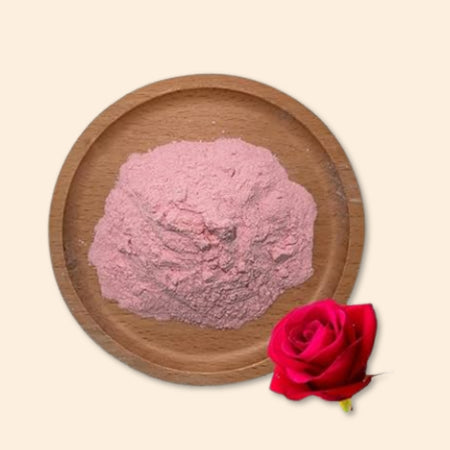
Rose Petal Powder

Rose Petal Powder

$12.47 / 1.05oz
Cosmetic Raw Materialoffer
USP BannerUSP Banner Mobile
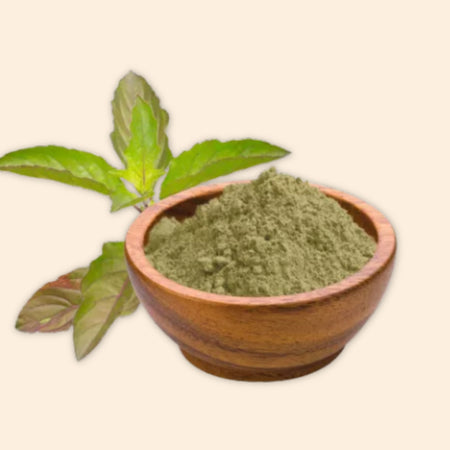
Tulsi (Holy Basil) Powder

Tulsi (Holy Basil) Powder

$12.47 / 1.05oz
Cosmetic Raw Materialoffer
USP BannerUSP Banner Mobile
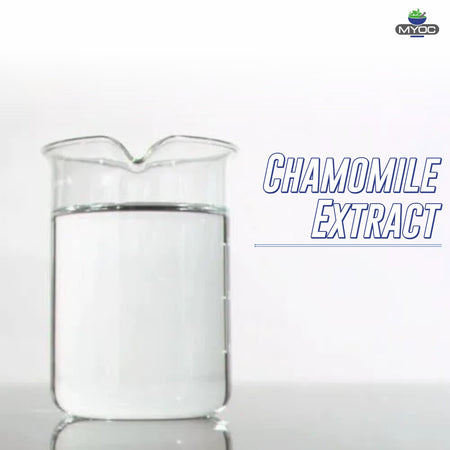
Chamomile Extract

Chamomile Extract

$23.34 / 1.05oz
Cosmetic Raw Materialoffer

How to Choose and Use a Botanical Extract

1

Step 1: Pick the Benefit You Want. Start with the job: rosemary for antioxidant and scalp support, licorice for dark spots and brightening, chamomile for redness and sensitive skin. The benefit filter narrows the range to the few extracts that fit your formula.

2

Step 2: Match the Solubility to Your Phase. A water-soluble or glycerin-based liquid extract goes into the water phase of a cream, toner, or shampoo. A powdered extract needs to be dissolved in its solvent first. Every listing states which it is.

3

Step 3: Add at the Right Percentage. Most botanical extracts are used at 1 to 5 percent of the formula, added to the water phase once it has cooled below 40°C so the actives are not damaged by heat. Follow the level on the listing.

4

Step 4: Preserve and Patch Test. Any water-based formula with a botanical extract needs a broad-spectrum preservative. Finish your product, then patch test before regular use.

About Botanical and Aromatic Extracts

A botanical extract is the active part of a plant, drawn out into a liquid or powder you can add to a formula in a measured dose. It is different from an essential oil: an extract carries the plant's water-soluble actives, such as rosemary's rosmarinic acid or licorice's glabridin, rather than its aromatic oil. That is what lets you build a real benefit into a serum, toner, or shampoo instead of only adding scent. Some extracts do both, adding a light natural aroma along with their function.

Each extract here is listed with its INCI name, its solubility, and a suggested use level, and is made in a WHO-GMP and ISO 9001:2015 certified facility with a Certificate of Analysis available on request. For US formulators, that documentation supports your own MoCRA record-keeping. Pair these extracts with a base from our carrier oils or reach for our herbal liquid extracts and dry extracts when you need a wider botanical range.

Good to Know

Tip 1: Add extracts to the cool-down phase. Heat degrades many plant actives, so stir them in once the water phase has dropped below 40°C, not while it is hot.

Tip 2: Store cool and sealed. Keep liquid extracts away from light and heat, and keep powders dry. Most stay usable for 12 to 24 months when stored correctly.

Tip 3: Preserve anything with water. A toner or serum that contains a water-based extract will grow mold and bacteria without a broad-spectrum preservative. Ask for the COA to confirm the identity of your batch.

Frequently Asked Questions

Botanical extracts are the active compounds of a plant, pulled out into a liquid or powder that you add to a formula. They carry benefits like antioxidant, brightening, or soothing activity, so a serum or cream does more than moisturize. They differ from essential oils, which carry a plant's aromatic oil rather than its water-soluble actives.

Add a water-soluble or glycerin-based liquid extract to the water phase of your product, ideally once it has cooled below 40°C so heat does not damage the actives. A powdered extract must first be dissolved in the liquid it is soluble in. Most extracts are used at 1 to 5 percent.

It depends on the extract and how it was made. Many cosmetic extracts come in a water, glycerin, or glycol base and go into the water phase; others are oil-soluble and go into the oil phase. Each listing states the solubility so you can match it to your formula.

Rosemary extract is rich in antioxidants like rosmarinic and carnosic acid that help defend skin from oxidative stress, and it has a calming, clarifying effect. In haircare it is used to support the scalp and circulation, which is why it appears in so many scalp serums and shampoos.

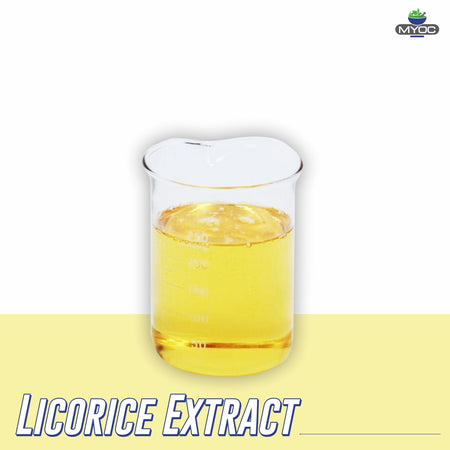
Licorice extract contains glabridin, a compound used to help fade dark spots and even skin tone, which makes it popular in brightening serums and treatments for hyperpigmentation. It is also soothing, so it suits sensitive and reactive skin.

Most water-based botanical extracts are used at 1 to 5 percent of the total formula. If the extract comes with efficacy data, follow the use level in that data, which can range from as little as 0.1 percent to 5 percent. Start at the lower end and adjust.

Yes. Chamomile is one of the most soothing botanicals, used to calm redness, irritation, and the discomfort that comes with dryness or sensitivity. It pairs well with other gentle actives in products aimed at reactive or eczema-prone skin.

Light
Dark