Cosmetic Emollients & Conditioning Agents | Shoprythm – shoprythm USA add wishlist add wishlist show wishlist add compare add compare show compare preloader
Enjoy FREE shipping across the USA on every order | Buy Any 3 Sample Products $21.9 | Buy Any 3 Sample Raw Material $19.90

Filters

Showing 1-6 of 6 products
Sort by
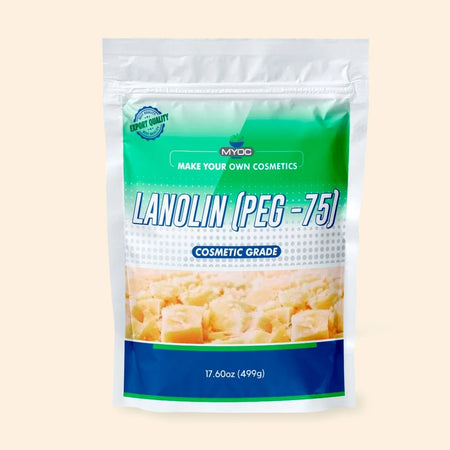
Lanolin (PEG- 75)

Lanolin (PEG- 75)

$20.28 / 1.05oz
Cosmetic Raw Materialoffer
Cetyl Alcohol

Cetyl Alcohol

$19.97 / 1.05oz
Cosmetic Raw MaterialEmollients
USP BannerUSP Banner Mobile
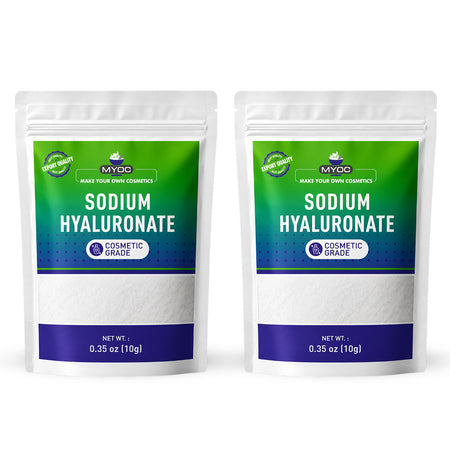
MYOC Sodium Hyaluronate Powder, Deep Hydration, Moisture Binding, Plumping Effect, Anti-Aging

MYOC Sodium Hyaluronate Powder, Deep Hydration, Moisture Binding, Plumping Effect, Anti-Aging

$36.08 / 2 × 0.35oz
Cosmetic Raw MaterialCosmetic Raw Materials
USP BannerUSP Banner Mobile
Isopropyl Myristate

Isopropyl Myristate

$20.12 / 1.05oz
Cosmetic Raw MaterialThickeners
Keratin Protein Hydrolysate Liquid 20%

Keratin Protein Hydrolysate Liquid 20%

$20.89 / 1.05oz
Cosmetic Raw Materialoffer

How to Choose and Use an Emollient

1

Step 1: Decide the Feel You Want. A fast-absorbing ester like isopropyl myristate cuts grease and improves slip. A silicone like dimethicone gives a silky finish. Lanolin is rich and cushioning. The feel filter points you to the right one.

2

Step 2: Check the Type and Use Level. Every listing shows the INCI name, the ingredient type, and a suggested percentage. Fatty esters like isopropyl myristate are usually used at 2 to 5 percent; each material has its own range.

3

Step 3: Add It in the Right Phase. Oil-phase emollients like esters, dimethicone, and cetyl alcohol go into the heated oil phase of an emulsion. A water-soluble humectant like sodium hyaluronate goes into the water phase. The listing tells you which.

4

Step 4: Balance and Preserve. Emollients set the feel; pair them with a humectant for hydration and an occlusive to lock it in. Preserve any water-based formula, and patch test the finished product.

About Emollients

An emollient is an ingredient that softens and smooths skin by filling the tiny gaps between skin cells, which reduces roughness and supports the barrier. In a formula, emollients also do the practical work of setting the texture: how fast a cream absorbs, how much slip a lotion has, and whether the finish feels light or rich. Esters like isopropyl myristate absorb fast and reduce greasiness, fatty alcohols like cetyl alcohol add body and help stabilize an emulsion, and silicones like dimethicone give a smooth, silky glide.
It helps to know how an emollient differs from its neighbors.

A humectant such as sodium hyaluronate draws in water, and an occlusive seals water in, while an emollient softens and smooths. Good moisturizers usually combine all three. Every material here is listed with its INCI name, type, and suggested use level, and is made in a WHO-GMP and ISO 9001:2015 certified facility with a COA on request. Reach for our emulsifiers to build the emulsion, thickeners to set the viscosity, or carrier oils for a natural oil phase.

Good to Know


• Emollient, humectant, and occlusive do different jobs. Emollients soften, humectants attract water, occlusives seal it in. A good cream uses all three, not one.

• Watch your use levels. Fatty esters like isopropyl myristate usually sit at 2 to 5 percent. Too much can feel greasy or, for acne-prone users, feel heavy on the skin.

• Match the phase. Oil-soluble emollients go in the oil phase; water-soluble humectants go in the water phase. Adding them to the wrong phase is a common cause of a failed batch.

Frequently Asked Questions

An emollient is an ingredient that softens and smooths skin by filling the gaps between skin cells and reducing roughness. In a formula it also sets the feel of the product, controlling how fast it absorbs and how much slip it has. Common emollients include plant oils, esters, fatty alcohols, and silicones.

Common emollients include esters like isopropyl myristate, fatty alcohols like cetyl alcohol, silicones like dimethicone, lanolin, and plant oils and butters. This collection carries isopropyl myristate, cetyl alcohol, dimethicone, and lanolin, plus a hydrating humectant and a hair-conditioning protein.

An emollient softens and smooths the skin. A humectant, like sodium hyaluronate or glycerine, draws water into the skin. An occlusive seals water in to stop it evaporating. Most good moisturizers combine all three, which is why formulators keep examples of each on hand.

Isopropyl myristate is a lightweight emollient ester that absorbs fast and cuts the greasy feel of heavier oils and butters, improving spreadability in creams, lotions, and balms. It can also help other ingredients penetrate the skin. It is usually used at about 2 to 5 percent.

Cetyl alcohol is a fatty alcohol, not a drying alcohol. It acts as an emollient that adds a creamy, cushioned feel and also helps thicken and stabilize an emulsion, keeping a lotion or cream from separating. It is a common co-emulsifier alongside emulsifying wax.

Dimethicone is a widely used silicone emollient that gives a smooth, silky finish and improves how a product spreads. It sits on the surface to soften and protect, and it is non-comedogenic for most people. It is popular in primers, serums, and hair products for its light, non-greasy slip.

It depends on the ingredient and the product. Fatty esters like isopropyl myristate typically sit at 2 to 5 percent, silicones at a few percent, and fatty alcohols at 1 to 5 percent as part of the emulsion. Follow the suggested use level on each listing and adjust to the feel you want.

Light
Dark