Cosmetic Raw Materials by MYOC | Actives, Bases & More – Page 6 – shoprythm USA add wishlist add wishlist show wishlist add compare add compare show compare preloader
Enjoy FREE shipping across the USA on every order | Buy Any 3 Sample Products $21.9 | Buy Any 3 Sample Raw Material $19.90

Filters

Price
Availability
Showing 61-72 of 93 products
Sort by
MYOC Sodium Gluconate Powder

MYOC Sodium Gluconate Powder

$22.19 / 1.05oz
Cosmetic Raw Materialoffer
MYOC Sodium Hyaluronate Powder, Deep Hydration, Moisture Binding, Plumping Effect, Anti-Aging

MYOC Sodium Hyaluronate Powder, Deep Hydration, Moisture Binding, Plumping Effect, Anti-Aging

$36.30 / 1.05oz
Cosmetic Raw MaterialCosmetic Raw Materials
USP BannerUSP Banner Mobile
Myoc Talc Powder

Myoc Talc Powder

$22.02 / 1.05oz
Cosmetic Raw MaterialCosmetic Raw Materials
USP BannerUSP Banner Mobile
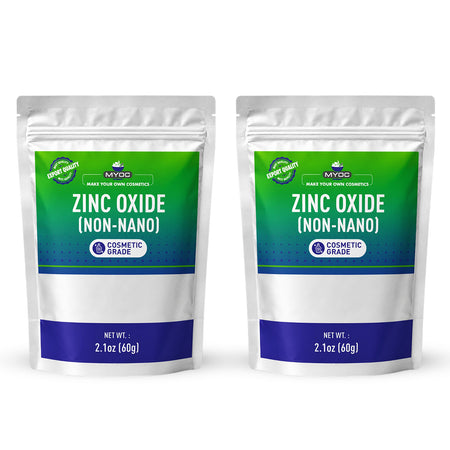
Myoc White Zinc Oxide Powder for Skin

Myoc White Zinc Oxide Powder for Skin

$22.19 / 1.05oz
Cosmetic Raw MaterialCosmetic Raw Materials
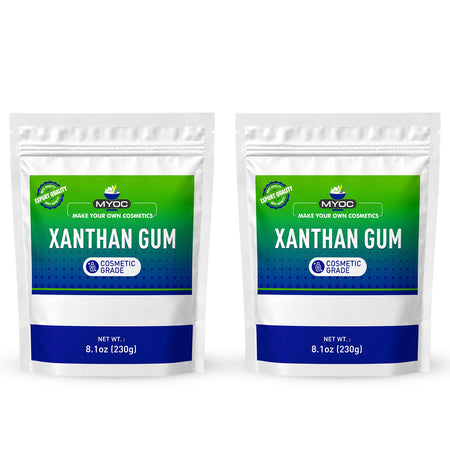
Myoc Xanthan Gum

Myoc Xanthan Gum

$23.04 / 1.05oz
Cosmetic Raw MaterialThickeners
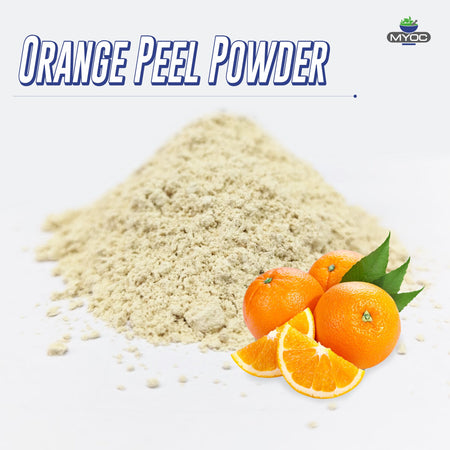
Orange Peel Powder

Orange Peel Powder

$22.36 / 1.05oz
Cosmetic Raw MaterialCosmetic Raw Materials
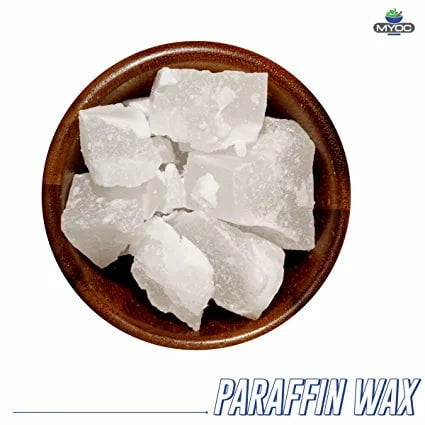
Paraffin Wax

Paraffin Wax

$13.86 / 1.05oz
Cosmetic Raw Material
Pearly shampoo base concentrate

Pearly shampoo base concentrate

$22.02 / 1.05oz
Cosmetic Raw Materialoffer
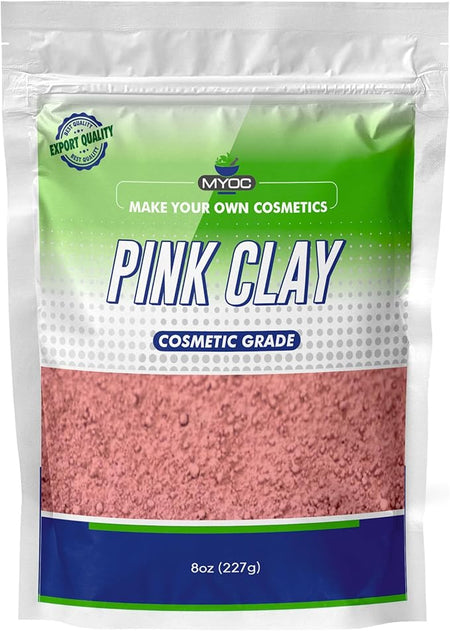
Pink Clay Powder

Pink Clay Powder

$22.19 / 1.05oz
Cosmetic Raw Materialoffer
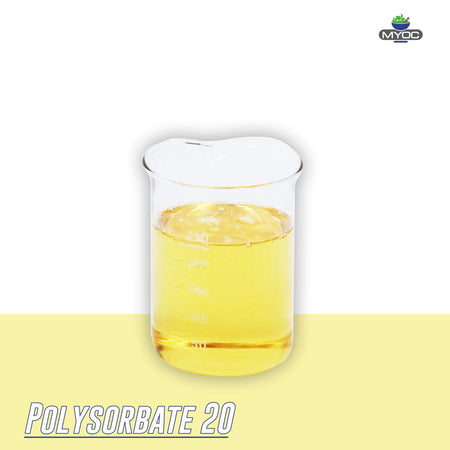
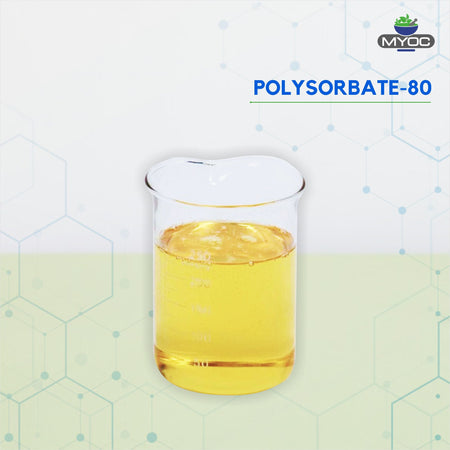
Polysorbate 20

Polysorbate 20

$13.86 / 1.05oz
Cosmetic Raw MaterialEmulsifiers

How to Buy and Formulate With MYOC

1

Step 1: Shop by Function. Start with what you want the ingredient to do: brightening, exfoliation, cleansing, thickening, or preserving. The function filter narrows 60+ materials down to the few that fit your formula.

2

Step 2: Check the Spec and COA. Every listing shows the INCI name, grade, suggested use level, and form. Need batch documentation? Request a Certificate of Analysis before you buy.

3

Step 3: Pick Your Size. Buy a 100g pack to test a formula, or order bulk for production. Sizes scale with you as your product grows from a kitchen batch to a full launch.

4

Step 4: Formulate With Confidence. Follow the suggested use percentage, mix in the right phase, and preserve any water-based product. Our ingredient guides walk you through each step.

About Cosmetic Raw Materials

A cosmetic raw material is a single ingredient used to build a finished product: an active that does the work, a surfactant that cleanses, an emulsifier that binds oil and water, a preservative that keeps it safe, or a clay, oil, or extract that gives it character. "Cosmetic-grade" means the material is purified, tested, and documented to the standard a finished cosmetic needs. It is not the same as food-grade or technical-grade, and the difference matters once a product touches skin.

MYOC supplies these materials with the correct INCI name, a clear grade, and a suggested use level for each one. That is what separates a real formulation ingredient from a generic powder in a bag. You know what it is, what it does, and how much to use. All materials are manufactured and packed in a WHO-GMP- and ISO 9001:2015-certified facility, with batch documentation available upon request.

Good to Know

  • Water-based products need a preservative. Any formula with water (or that you dip wet fingers into) will grow mold and bacteria without one. This is the most common beginner mistake.
  • Store powders in a cool, dry place, and keep oils away from light and heat. Most cosmetic-grade materials stay stable for 12 to 24 months when stored correctly.
  • Ask for the COA. A Certificate of Analysis confirms purity and identity for the batch you receive. Reputable suppliers provide it. We do.

Frequently Asked Questions

Cosmetic raw materials are the individual ingredients used to make a finished beauty product. They fall into a few groups: actives (like niacinamide or salicylic acid) that deliver the result, surfactants that cleanse, emulsifiers that bind oil and water, preservatives that keep the product safe, and clays, oils, and extracts that add texture and benefit. You combine them, at the right percentages, to build a serum, cream, cleanser, soap, or hair product.

Cosmetic-grade means the ingredient has been purified, tested, and documented to the standard required for products applied to skin and hair. It is not the same as food-grade or industrial-grade material, which may carry impurities that are fine for other uses but not for cosmetics. For anything that touches skin, cosmetic-grade is the grade to buy. Every MYOC material is cosmetic grade with a Certificate of Analysis available.

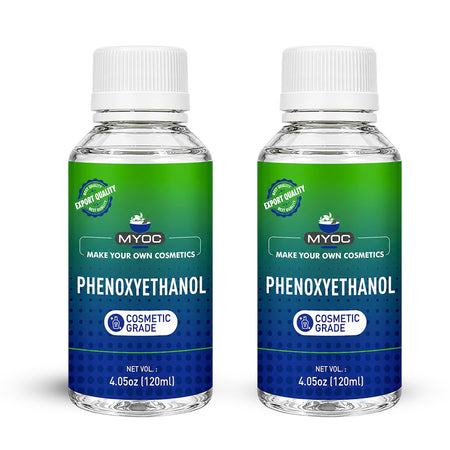
Yes, if your product contains any water. Water-based serums, creams, lotions, toners, and anything you dip wet fingers into will grow mold, yeast, and bacteria within days without a broad-spectrum preservative such as phenoxyethanol. Anhydrous products (oil-only balms, body oils, and pure butters) do not need a water-phase preservative but still benefit from an antioxidant. Skipping preservation is the most common and most serious beginner mistake.

Both. MYOC sells small sizes (around 100g or 100ml) so you can test a formula before committing and bulk sizes up to several kilograms for production. As your product moves from a kitchen batch to a full launch, you order the same material in a larger pack instead of switching suppliers and reformulating.

Yes. A COA is available for the materials on request and confirms the purity and identity of the batch you receive. This matters for indie brands and manufacturers who need documentation for their own records, compliance, or customers. Materials are made in a WHO-GMP and ISO 9001:2015 certified facility, with stability data held through the product's shelf life.

MYOC offers paraben-free options across the range, including paraben-free preservatives such as phenoxyethanol and broad-spectrum blends. Where applicable, ingredients are also offered as non-comedogenic, so you can build formulas for acne-prone and sensitive skin. Check each listing for its specific attributes.

Start with a simple, forgiving project. A melt-and-pour soap or an oil-based balm needs no preservative and no precise emulsifying, so it is the safest first build. From there, move to a basic lotion using emulsifying wax, then add a single active like niacinamide at its suggested use level. Follow the percentage on each listing, preserve anything with water, and patch test your finished product before regular use.

Light
Dark